
Game Description
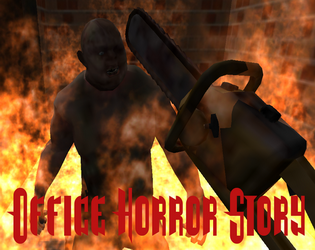
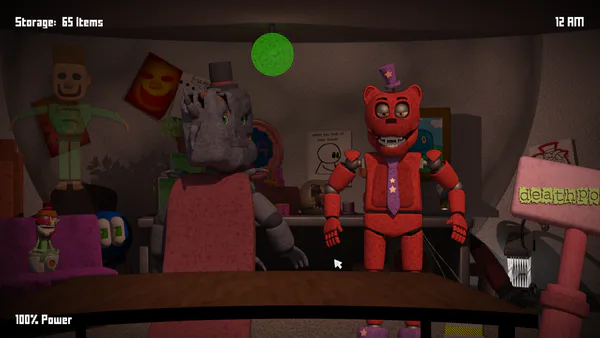
Office Horror Story is a browser-based horror game on fnaf3.io built around story pressure, quick reactions, and readable threat patterns.
What is Office Horror Story?
Office Horror Story rewards players who can read threats early, stay calm under pressure, and keep their next move in mind before the situation narrows.
How to Play
- Players often uncover a narrative involving the office's dark past or the fate of its employees
- This story will be gradually discovered by players and the dark secrets will be deciphered
- Expect to solve puzzles involving finding items or deciphering clues to progress
- Many levels will be spread out requiring players to overcome their strategies through playing experience
- Players may need to manage resources and avoid threats, enhancing the horror experience
- F to pick up an object
Controls
- Use WASD or arrow keys to move
Why It Stands Out
Office Horror Story keeps its tension readable. The challenge is not only in fast reactions, but in understanding how the game rewards clean habits, efficient routes, and better pattern recognition over repeated runs.
- Key hunting changes the pacing, because progress depends on exploring efficiently before the threat closes in
- Sweep side rooms carefully and memorize dead ends, since keys and exit items are easy to miss on a rushed run.
- Clear puzzle steps quickly, then reposition before the game punishes you for standing still too long.
- Treat every weapon or tool as tempo control, not just damage, so you can create room before pressure spikes.
FAQ
Q: Is Office Horror Story free to play? A: Yes. Office Horror Story launches directly in the browser on fnaf3.io, so you can start a run without installing a separate client.
Q: What kind of game is it? A: It sits closest to horror and story play, with most of the pressure coming from timing, awareness, and steady decision-making.
Q: What should you pay attention to first? A: Start by learning the core threat pattern and the safest response loop. Once that feels stable, the rest of the systems become much easier to manage.
Q: Are the controls hard to learn? A: Not usually. Most of the challenge comes from using the controls at the right moment instead of memorizing a complicated input layout.



Comments (0)
Add a Comment