
Game Description
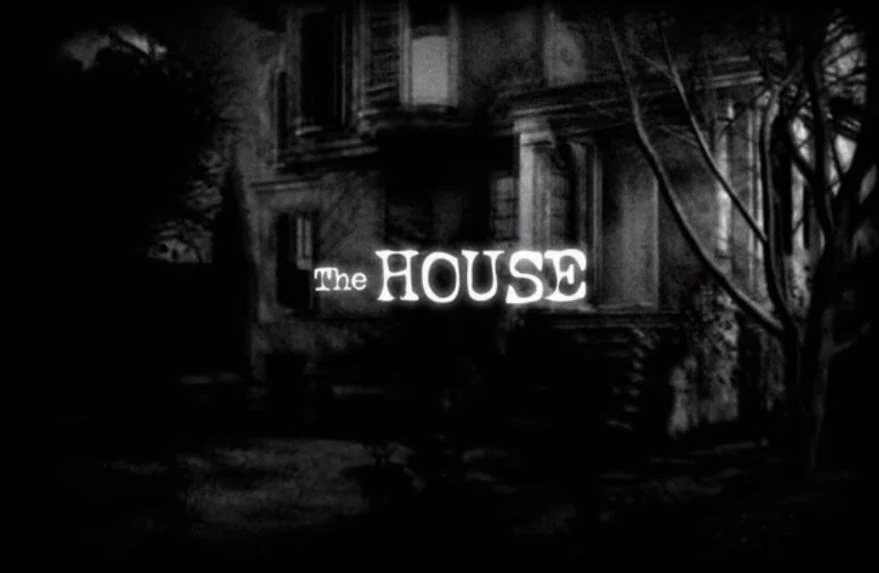
The House is a browser-based horror game on fnaf3.io built around survival pressure, quick reactions, and readable threat patterns.
What is The House?
The House rewards players who can read threats early, stay calm under pressure, and keep their next move in mind before the situation narrows.
How to Play
- Check the ventilation route often, because a failed system usually turns one mistake into a losing spiral.
- Read the room state early so you can respond before pressure stacks up
- Treat every run as route practice, because cleaner decisions usually matter more than panic reactions
Controls
- Simple Gameplay: Just watch and click when the time is right; no sophisticated abilities are needed.
- Patience: In order for an event to occur, you may need to click on the same object several times.
- Use the mouse to play the game
Why It Stands Out
The House keeps its tension readable. The challenge is not only in fast reactions, but in understanding how the game rewards clean habits, efficient routes, and better pattern recognition over repeated runs.
- Unexpected sound and visual effects produce a tense and creepy atmosphere
- Uncover the Mystery: you need to experiment with various interaction methods since each room has unique happenings
- Simple Gameplay: Just watch and click when the time is right; no sophisticated abilities are needed
- Increasing fear: The events in the subsequent chamber are typically more terrifying than those in the preceding area
- Pay close attention: Events may be triggered by a few tiny items on the table or wall
- Patience: In order for an event to occur, you may need to click on the same object several times
FAQ
Q: Is The House free to play? A: Yes. The House launches directly in the browser on fnaf3.io, so you can start a run without installing a separate client.
Q: What kind of game is it? A: It sits closest to horror and survival play, with most of the pressure coming from timing, awareness, and steady decision-making.
Q: What should you pay attention to first? A: Start by learning the core threat pattern and the safest response loop. Once that feels stable, the rest of the systems become much easier to manage.
Q: Are the controls hard to learn? A: Not usually. Most of the challenge comes from using the controls at the right moment instead of memorizing a complicated input layout.


Comments (0)
Add a Comment