Game Description
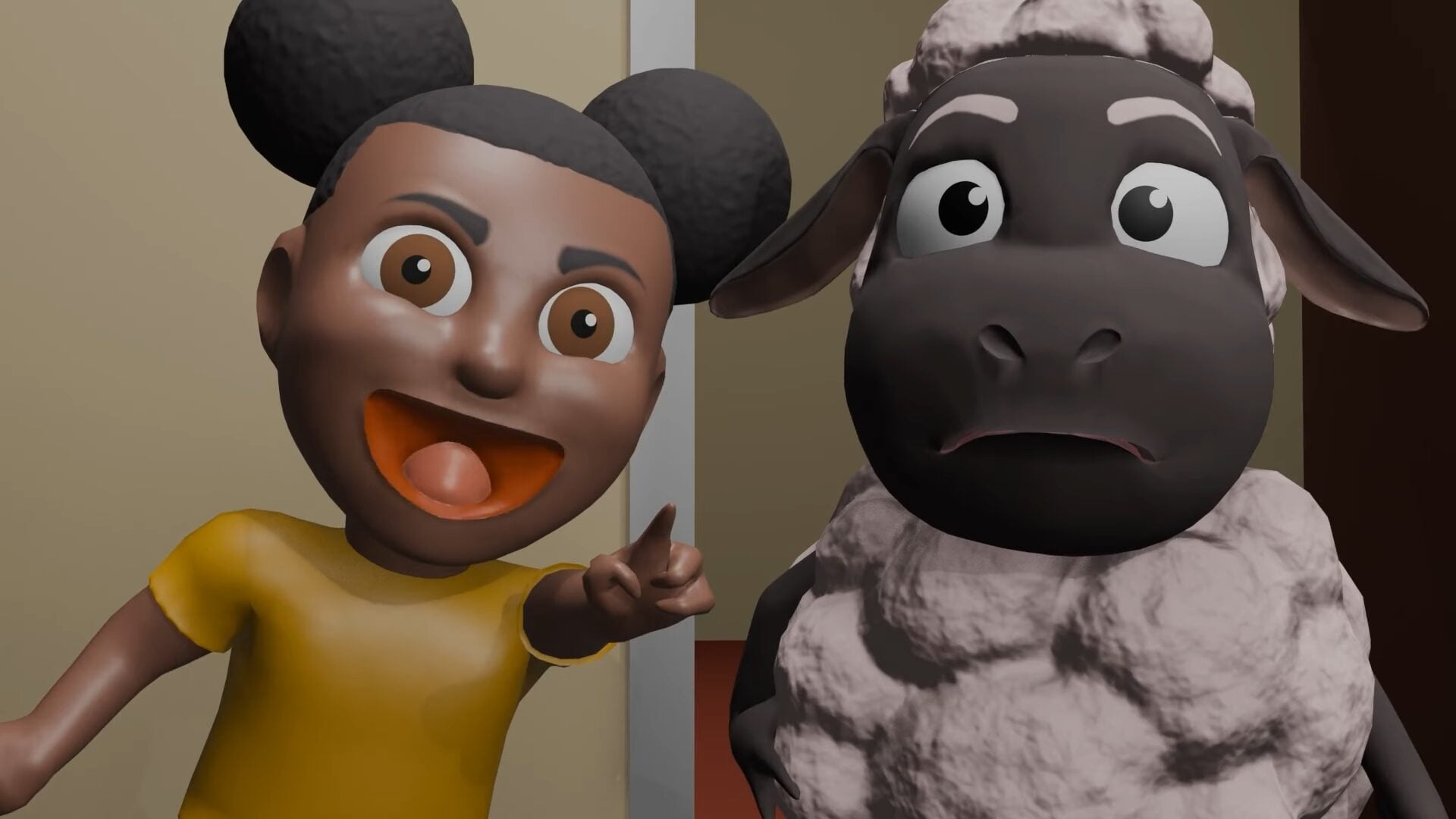
Amanda The Adventurer
1. Game Overview
Amanda The Adventurer is a horror-adventure game that weaponizes one of childhood's most familiar formats — the animated educational show — to deliver something deeply unsettling. Amanda appears as a cheerful, friendly child on a television screen, guiding you through adventures and asking you to participate. The art style is deliberately reminiscent of classic children's cartoons: bright colors, simple character designs, the warm visual vocabulary of educational programming. And then, incrementally, something begins to feel wrong.
The game's central horror is built on the gap between surface and reality — the tension between Amanda's presented friendliness and the sinister nature that unfolds as you dig deeper. Players explore real-world locations (homes, forests, abandoned buildings) filled with clues and hidden items that reveal a layered mystery about who Amanda actually is, why these tapes exist, and what happened to the people connected to them. The story is not handed to you; it emerges through exploration, puzzle-solving, and the willingness to look at what the game is actually showing you rather than what it appears to be showing.
Choice is a meaningful mechanic rather than a cosmetic one — decisions made throughout the game affect the storyline and lead to multiple endings, creating genuine replay value for players who want to understand the full scope of Amanda's story. The riddles and puzzles that gate progression range from straightforward tasks to multi-step challenges requiring genuine critical thinking, preventing the exploration from feeling passive. Amanda The Adventurer has earned recognition for its originality: it takes a concept (haunted children's media) that has been explored before and executes it with enough craft, atmosphere, and narrative depth that it feels genuinely disturbing rather than derivatively creepy.
Key Details:
| Field | Info |
|---|---|
| Genre | Horror Adventure / Psychological Horror / Puzzle |
| Difficulty Level | Medium |
| Average Play Time | 45–90 minutes |
| Best For | Narrative horror fans, psychological horror enthusiasts, players who enjoy story-driven mysteries with multiple endings |
2. How to Play
Getting Started:
- Begin by exploring your starting environment and interacting with what you find — the game's story is embedded in the physical space around you as much as in Amanda's screen.
- Use arrow keys to move through each location and press Space to skip dialogue or open doors when prompted.
- Pay close attention to what Amanda says and does — her words and behavior contain information that's relevant to the puzzles you'll need to solve.
- Explore thoroughly before making choices — the items and clues found during exploration inform the decisions ahead and make their consequences more legible.
- Make choices deliberately when they arise — they shape the narrative and determine which of the game's multiple endings you reach.
Basic Controls:
- Arrow Keys — Move through environments
- Space — Skip dialogue or open doors
Objective: Uncover the truth about Amanda and the mystery surrounding her tapes by exploring environments, collecting clues, solving the riddles that gate your progress, and making choices that shape the narrative. The full story is only revealed through the multiple endings — each run is one piece of a larger picture.
3. Game Features & Highlights
✓ Haunted children's media premise — Amanda's cheerful cartoon presentation in direct contrast with escalating horror is the game's central and most effective design choice
✓ Multiple endings driven by meaningful choices — Decisions throughout the game create genuinely different narrative outcomes, rewarding multiple playthroughs
✓ Rich environmental storytelling — The mystery unfolds through locations, objects, and documents as much as through Amanda herself
✓ Distinctive cartoon art style — Visual design that references children's educational programming, making the horror elements hit harder through contrast
✓ Layered riddle and puzzle design — Challenges that range from simple tasks to complex multi-step problems requiring critical thinking and observation
4. Tips & Strategies
Beginner Tips:
- Listen to everything Amanda says, even when it seems like standard children's show content — her word choices, her reactions to your responses, and her behavior when you don't respond as expected all contain information the game expects you to use
- Explore every location fully before committing to any major choice — the items and documents found in each environment provide context that makes subsequent decisions more meaningful and their consequences more predictable
- Use Space to advance dialogue when you've absorbed what's being communicated, not reflexively — some of the game's most important narrative information is delivered through Amanda's presentation and skipping it too quickly causes you to miss content that matters
Advanced Strategies:
- On a second playthrough, make opposite choices at key decision points and pay attention to how Amanda responds differently — her reactions to different choices reveal aspects of her character that single playthroughs don't expose
- The game's supporting characters — the various figures who help or hinder your progress through each location — carry narrative significance beyond their immediate function; attend to their story contributions as carefully as Amanda's
- Environmental details in seemingly empty areas (notes, arrangement of objects, visual anomalies) are the game's most reliable source of mystery context; players who read the environment as text rather than backdrop come away with a much richer understanding of the story
What to Watch Out For:
- Surface-level reading of Amanda — The game is designed to reward players who look past Amanda's cheerful presentation; accepting her at face value consistently produces less understanding of the story's actual content
- Rushing through puzzle areas — The riddles require the information found during environmental exploration to solve; attempting them before thorough exploration leads to dead ends that feel arbitrary but are actually the result of insufficient evidence gathering
5. Game Elements Explained
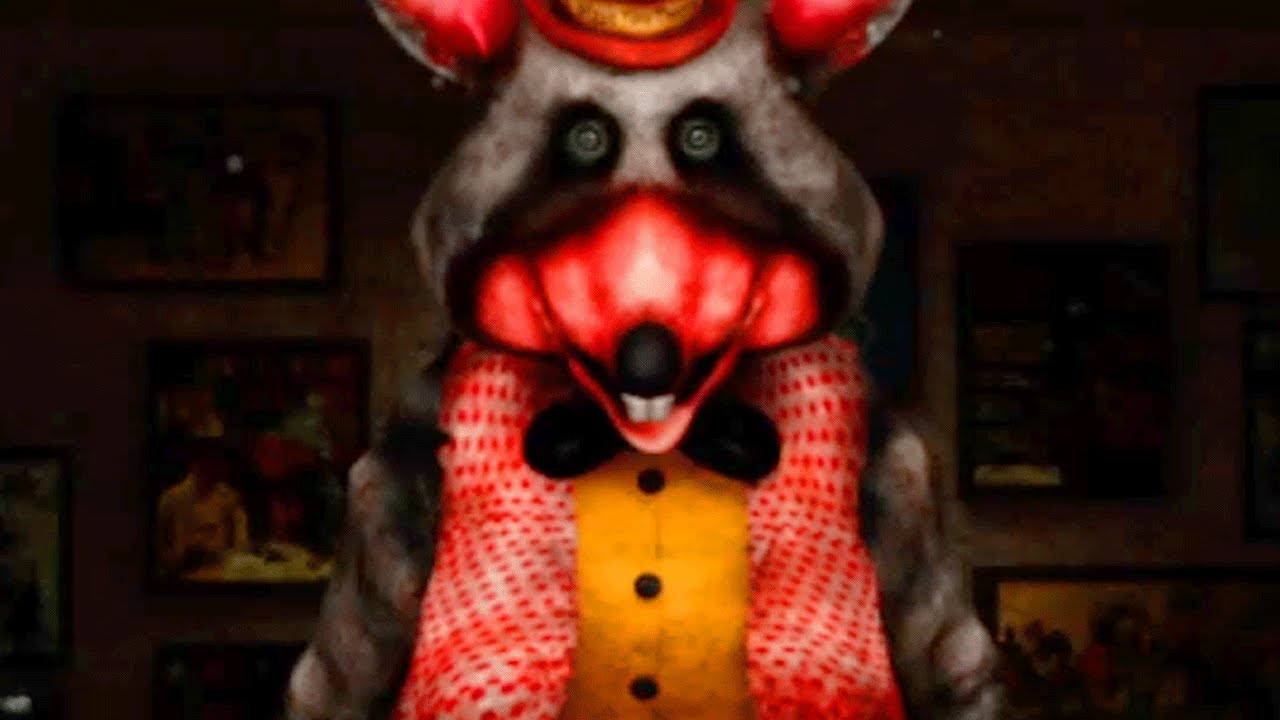
Amanda's Character and Presentation: Amanda is the game's most carefully constructed horror element, and understanding how she works is essential to understanding what makes the game effective. She presents as a friendly, educational children's show host — enthusiastic, simple in her language, visually warm and accessible. This presentation is not a mask that slips immediately; it erodes gradually as you progress, with small inconsistencies and unsettling moments accumulating until the disjunction between what Amanda appears to be and what she actually is becomes undeniable. The horror is most effective precisely because the game commits fully to the children's show aesthetic before undermining it: you are given enough time to accept the presentation before the presentation becomes the source of dread. Amanda is most disturbing when she seems most normal, and the game understands this completely.
The Mystery and Exploration System: The mystery of Amanda The Adventurer is not centralized — it is distributed across multiple locations, hidden inside objects, documents, and environmental details that require active investigation to find. Homes contain personal histories. Forests hold context that connects to the tapes. Abandoned buildings carry evidence that changes the meaning of earlier discoveries. The game treats exploration as a research activity: the more thoroughly you investigate each environment, the more complete your understanding of the mystery becomes, and the more informed your choices will be when they arrive. This design philosophy means that a player who moves quickly through each location will experience a different (and less complete) version of the story than one who reads every document and examines every unusual detail — not because they reach a different ending, but because they arrive at the same ending with less understanding of why.
The Choice and Multiple Endings System: The choices in Amanda The Adventurer carry weight because they are embedded in a narrative where Amanda's responses to your decisions reveal information about her character. Choosing how to respond to her questions and prompts is not just a branching mechanism — it's a form of investigation. Different choices elicit different reactions, and those reactions tell you things about Amanda that no other mechanic reveals. The multiple endings are the accumulated result of these choices rather than the product of a single final decision, which means replay value is genuine: a second playthrough with different choices at key moments produces a meaningfully different relationship with Amanda and a different perspective on the story's conclusion. Players interested in the full scope of the narrative will find multiple playthroughs rewarding rather than repetitive.
6. Frequently Asked Questions
Q: How do I advance through Amanda's segments? A: Press Space to skip dialogue or respond to Amanda's prompts. When she asks you to participate or choose, use the available interaction to respond. Moving through her segments deliberately — rather than skipping immediately — is recommended, as her dialogue contains story-relevant content.
Q: What should I do if I'm stuck on a puzzle? A: Return to the locations you've explored and check for documents, objects, or environmental details you may have passed over. The information needed for each puzzle is found in the same general area as the puzzle itself. If you've thoroughly searched and remain stuck, reconsider what Amanda herself has said — some puzzle solutions are embedded in her dialogue rather than in the physical environment.
Q: Is Amanda The Adventurer compatible with mobile or touchscreen devices? A: Amanda The Adventurer uses arrow key movement and Space for interaction. Touchscreen compatibility depends on the platform and whether virtual key overlays are supported. The game is best experienced on a desktop or laptop for the full intended experience.
Q: Can I save my progress? A: The game saves progress at key checkpoints. Exiting mid-session should allow you to continue from a recent save point via the main menu. Check for a continue option when returning to the game.
Q: How many endings are there, and how do I see them all? A: The game features multiple endings determined by the cumulative choices made throughout the experience. The exact number is part of the game's mystery — discovering what's possible is itself a form of engagement the game rewards. To reach different endings, replay with deliberately different responses to Amanda's prompts and different approaches to the key decision moments you identified in your first run.
7. Related Games You Might Enjoy
If you like Amanda The Adventurer, you might also enjoy:
- Amanda The Adventurer 2 - A related horror game with similar survival pressure and unsettling atmosphere.
- Rainbow Friends Horror Playground - A related horror game with similar survival pressure and unsettling atmosphere.
- Poppy Survive Time: Hugie Wugie - A related horror game with similar survival pressure and unsettling atmosphere.
Comments (0)
Add a Comment