






FNAF: Final Purgatory
Learn a newly generated pizzeria layout and keep track of its roaming animatronics until 6 AM.
About FNAF: Final Purgatory
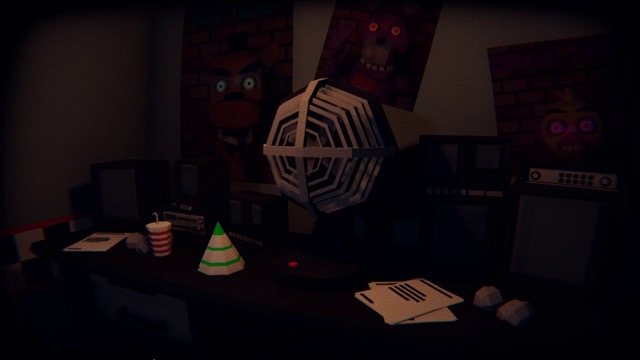
TwistedTwigleg created Final Purgatory for ProcJam 2018 as a remake of the earlier FNAF: Purgatory. Its distinctive feature is procedural layout generation: the building changes between playthroughs, so a remembered route from one attempt cannot explain every later map.
That makes orientation an early priority. Work out how the monitored rooms connect to your position before relying on a familiar character's apparent location.
How to Play FNAF: Final Purgatory
Use the mouse-driven interface to monitor activity and operate the available defenses. Identify nearby approaches, check where the animatronics are moving, and respond before they reach you.
Use a short observation cycle that answers a specific question, such as which route is currently exposed. After a failed attempt, separate a mistaken map assumption from a late reaction; those problems need different adjustments.
The developer warns of flashing imagery, loud sounds, and jumpscares. The game is a survival fangame with its own generated layouts and rules.
Read the building again on each attempt
Final Purgatory generates a new pizzeria layout between playthroughs. A turn or camera relationship remembered from an earlier attempt may not describe the current building. Begin by identifying the rooms near your position and the approaches that connect them before using a fixed monitoring route.
Separate orientation from reaction
Use the mouse-driven interface to inspect the current map and operate the available defenses. A useful camera check answers a question about the present layout, such as where a roaming animatronic is in relation to your position. After responding to an immediate approach, update that information rather than relying on an older location.
If a run fails, consider whether you misunderstood the generated route or recognized the threat too late. The first problem calls for a clearer map of the current attempt; the second calls for a faster response to a known warning.