
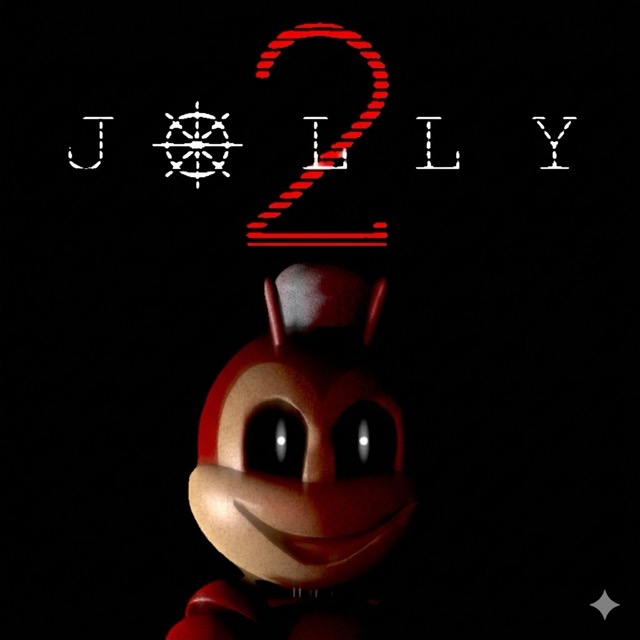
One Night at Flumpty's 2
Use darkness to avoid being seen while keeping track of the threats moving toward your office.
About One Night at Flumpty's 2
The sequel changes the first game's defensive routine. Being visible to an approaching character becomes dangerous, so switching off the office light can be part of survival.
That makes surveillance a balancing act. The monitor helps you follow movement, but an extended camera visit can leave you late to notice an office encounter or a ventilation approach.
How to Play One Night at Flumpty's 2
Use the mouse-driven interface to watch cameras and operate the available office defenses. When an approaching character requires concealment, turn the light off and wait for the immediate encounter to pass.
Check the ventilation routes as well as the room approaches. Treat each character's warning as its own rule; repeatedly toggling the light cannot replace a neglected vent check.
After a failed attempt, identify whether you were exposed in the office or missed a different approach. Changing the relevant part of the routine is more useful than making every action faster.
Darkness and surveillance serve different purposes
Turning off the office light can conceal you from a character that requires that response. The camera monitor, meanwhile, helps you follow movement before an encounter reaches the office. Use a camera visit to update your information, then return to the room so you can react to an immediate warning.
Do not treat the light switch as a response to every sound or movement. Ventilation routes are a separate part of the challenge. Include a vent check in the routine, especially after spending time watching a room feed, and use the response described by the game for the particular encounter.
How the sequel changes the first game
The first One Night at Flumpty's emphasizes cameras, doors, and power. The sequel adds the question of whether you are visible. When a run ends, distinguish an exposure problem from a missed vent approach; those failures call for different changes to your next route.