
















Live FNAF4.io

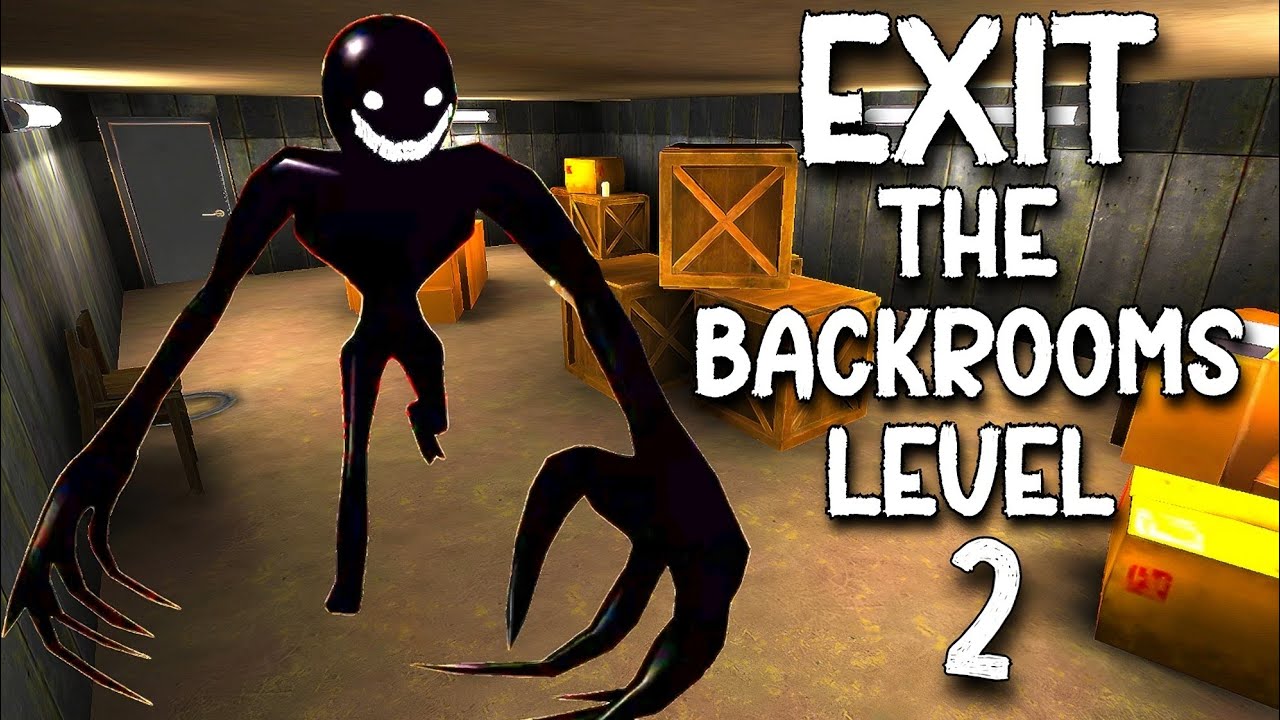
Exit the Backrooms: Level 2

Browser Instant Play Backrooms - Escape

New Drops

See all

Game Description

Exit the Backrooms: Level 2 gameplay

EXIT THE BACKROOMS: LEVEL 2

1. Game Overview

Exit the Backrooms: Level 2 drops you into one of the most hostile environments in all of Backrooms lore — a vast, pitch-dark industrial labyrinth of rusting pipes, failing lights, and relentless mechanical noise. Where Level 0's horror was the disorienting sameness of empty yellow rooms, Level 2 is something altogether more aggressive: a place that is actively dangerous, visually oppressive, and populated by fast, unpredictable entities that give you almost no margin for error.

The abandoned factory aesthetic of Level 2 works on multiple levels simultaneously. The claustrophobic pipe corridors limit your movement and your sightlines. The flickering red and yellow lighting keeps you in a constant state of half-visibility. The mechanical sounds of the environment mask the sounds you most need to hear — the approach of entities that are faster than you and far more familiar with this space. Every element of the environment is specifically designed to make survival difficult and escape feel impossibly distant.

What distinguishes Level 2 from standard horror shooters is its demand for deliberate play. Entities discovered here are extremely dangerous and survival after detection is unlikely — which means stealth, sound awareness, and careful navigation are not optional strategies but the only viable ones. The item system adds a puzzle layer to the survival challenge: keys, battery cells, codes, and hidden switches must be found and used correctly to progress deeper into the level. Getting out requires outsmarting the environment as much as avoiding what lives in it.

Key Details:

Detail Info
Genre First-Person Survival Horror / Exploration
Difficulty Level Hard
Average Play Time 30–60 minutes
Best For Backrooms lore fans, hardcore horror survival players, and anyone who enjoyed Level 0 and wants a significantly more hostile challenge

2. How to Play

Getting Started:

  1. The game begins in Level 2's dark industrial corridors — do not move immediately. Listen first.
  2. Use your flashlight (and conserve its batteries) to navigate the pipe-filled hallways without alerting nearby entities.
  3. Search the environment for keys, battery cells, codes, and hidden switches needed to open locked doors and activate systems.
  4. Hide behind corners and in shadow when you detect entity proximity through sound cues.
  5. Find and identify the correct exit door — not all doors are safe — and advance to the next level.

Basic Controls:

  • Move: W / A / S / D
  • Look Around: Mouse
  • Run: Shift (emergency use only — generates significant noise)
  • Interact / Pick Up Items / Open Doors: E or left click
  • Jump: Space

Objective: Navigate Level 2's dark industrial maze, collect the items needed to unlock doors and activate systems, avoid the aggressive entities using stealth and sound awareness, and find the correct exit passage to the next Backrooms level.

3. Game Features & Highlights

Industrial horror environment — rusting pipes, failing lights, and mechanical noise create a claustrophobic factory atmosphere that is visually and acoustically distinct from other Backrooms levels ✓ Aggressive entity AI — fast, unpredictable entities with near-lethal detection create genuine stakes for every moment of exploration ✓ Item and puzzle system — keys, battery cells, codes, and switches form a connected progression chain that adds problem-solving depth to the survival challenge ✓ False exit design — not every door leads to safety, requiring careful observation and assessment before committing to any potential exit ✓ Sound-first awareness requirement — the mechanical ambient noise of the level makes audio discrimination — separating environmental sound from entity sound — a core survival skill

4. Tips & Strategies

Beginner Tips:

  • Flashlight battery management is critical from the first moment — use the flashlight in short, deliberate bursts to scan ahead rather than keeping it on continuously, and prioritize finding replacement batteries before your current ones are depleted.
  • Stop and listen at every junction before choosing a direction — the mechanical ambient noise of Level 2 means entity sounds are harder to distinguish than in quieter Backrooms levels. A stationary listen gives you a clearer audio picture than movement provides.
  • Never run unless you've confirmed entity proximity — Shift sprinting generates noise loud enough to alert entities in adjacent corridors and converts a safe exploration window into an active threat situation.

Advanced Strategies:

  • Learn to distinguish the entity audio signatures from the environmental mechanical noise — each entity type has a distinctive sound pattern that, once recognized, allows early detection before visual range is reached.
  • When collecting items, clear the immediate area with a short flashlight scan before picking anything up — item interaction animations briefly limit your ability to respond to threats, making pre-interaction area clearance essential.
  • False exits are identifiable through environmental signals — look for subtle differences in door condition, surrounding wall details, and lighting behavior near exit candidates before committing to any passage.

What to Watch Out For:

  • Survival after detection: Unlike many horror games where detection triggers a manageable chase sequence, Level 2 entity encounters after detection are extremely difficult to survive. Treat every stealth decision as if detection means failure — because in most cases, it does.
  • Flashlight dependency: The instinct to keep the flashlight on for comfort is one of the most dangerous habits in Level 2. Continuous flashlight use drains batteries and, in some entity variants, can actively signal your position. Embrace strategic darkness.

5. Game Elements Explained

The Industrial Environment: Level 2's abandoned factory design is not merely atmospheric — it is a functional gameplay system. The pipe corridors limit visibility to short distances and create natural sound channels that carry entity noise in ways that are sometimes misleading. The flickering lights alternate between revealing your surroundings and plunging sections into near-total darkness, creating a rhythm of intermittent visibility that experienced players learn to exploit and new players find disorienting. The mechanical ambient noise — the constant hum, clank, and hiss of an industrial space — provides cover for your own movement sounds while simultaneously masking the approach of entities. Navigating Level 2 means developing a relationship with its specific environmental characteristics rather than applying generic horror game survival instincts.

The Entity System: Level 2 hosts multiple entity types, each with distinct behaviors and detection triggers, but all sharing one critical characteristic: they are fast enough and dangerous enough that survival after confirmed detection is a low-probability outcome. This single fact shapes every strategic decision in the game. Entities must be heard before they are seen — and sound discrimination in Level 2's noisy environment is a genuine skill that develops over multiple runs. Hiding behind corners and in shadow is the primary survival response, but effective hiding requires advance warning, which requires active audio monitoring throughout exploration. Players who approach Level 2 with the combat instincts of a shooter will be overwhelmed quickly; players who approach it as a stealth and awareness problem will find it demanding but navigable.

The Item and Exit System: Progressing through Level 2 requires finding and correctly applying a set of items — keys, flashlight batteries, numeric codes, and hidden switches — that unlock the doors and systems gating your path deeper into the level. Items are not clustered conveniently; they are distributed through the corridor network in locations that require thorough exploration to find. Each item has a specific application within the level's systems, and using them in the correct sequence is part of the puzzle. The final challenge of Level 2 is identifying the correct exit from among multiple candidate doors — not all doors lead to the next level, and choosing incorrectly has consequences. Environmental observation near exit candidates — door condition, surrounding light behavior, wall detail deviations — provides the information needed to make the right choice.

6. Frequently Asked Questions

Q: How do I conserve flashlight batteries effectively? A: Use the flashlight in short directional bursts to scan ahead before moving into a new corridor section rather than keeping it active continuously. Scan, note what you've seen, turn it off, move to a new position, then scan again. This interval approach extends battery life significantly compared to continuous use while still giving you adequate visual information for navigation.

Q: What should I do the moment I detect an entity nearby? A: Stop all movement immediately and turn off the flashlight if it's active. Locate the nearest corner, shadow, or recessed area and move there as slowly as possible — minimal movement creates minimal noise. Once positioned, remain completely still until the entity's audio signature indicates it has moved away from your area. Do not resume movement until you're confident the entity is at safe distance.

Q: How do I identify which door is the correct exit? A: Examine the environment around each candidate door carefully before approaching — the correct exit typically has subtle differentiating details in its immediate surroundings: different lighting behavior, wall condition variations, or structural details that deviate from the standard corridor appearance. Approaching multiple doors speculatively to test them introduces unnecessary entity exposure risk in the vicinity of each door.

Q: Can Exit the Backrooms: Level 2 be played offline? A: The web browser version requires an internet connection to run. Downloadable builds of the game can typically be played offline once installed. Check the specific platform you're accessing the game through for the most current offline availability information.

Q: How does Level 2 differ from Level 0? A: Level 0 is a maze of identical yellow rooms where the primary horror is disorientation, loneliness, and the slow erosion of spatial confidence — entities are present but not always the central threat. Level 2 is a dark industrial pipe labyrinth where entities are fast, aggressive, and the primary threat at all times. Level 0 demands patient navigation and environmental reading; Level 2 demands all of that plus active stealth management under genuinely dangerous entity pressure. Level 2 is substantially harder and more intense.

7. Related Games You Might Enjoy

If you like Exit the Backrooms: Level 2, you might also enjoy:

  • Exit the Backrooms: Level 0 - Another liminal escape game focused on navigation, suspense, and avoiding what waits in the halls.
  • Exit the Backrooms: Level 94 - Another liminal escape game focused on navigation, suspense, and avoiding what waits in the halls.
  • Backrooms Escape 1 - Another liminal escape game focused on navigation, suspense, and avoiding what waits in the halls.