













Live FNAF4.io

Backrooms Escape 1

Browser Instant Play Backrooms - Escape

New Drops

See all

Game Description

Backrooms Escape 1 gameplay

BACKROOMS ESCAPE 1

1. Game Overview

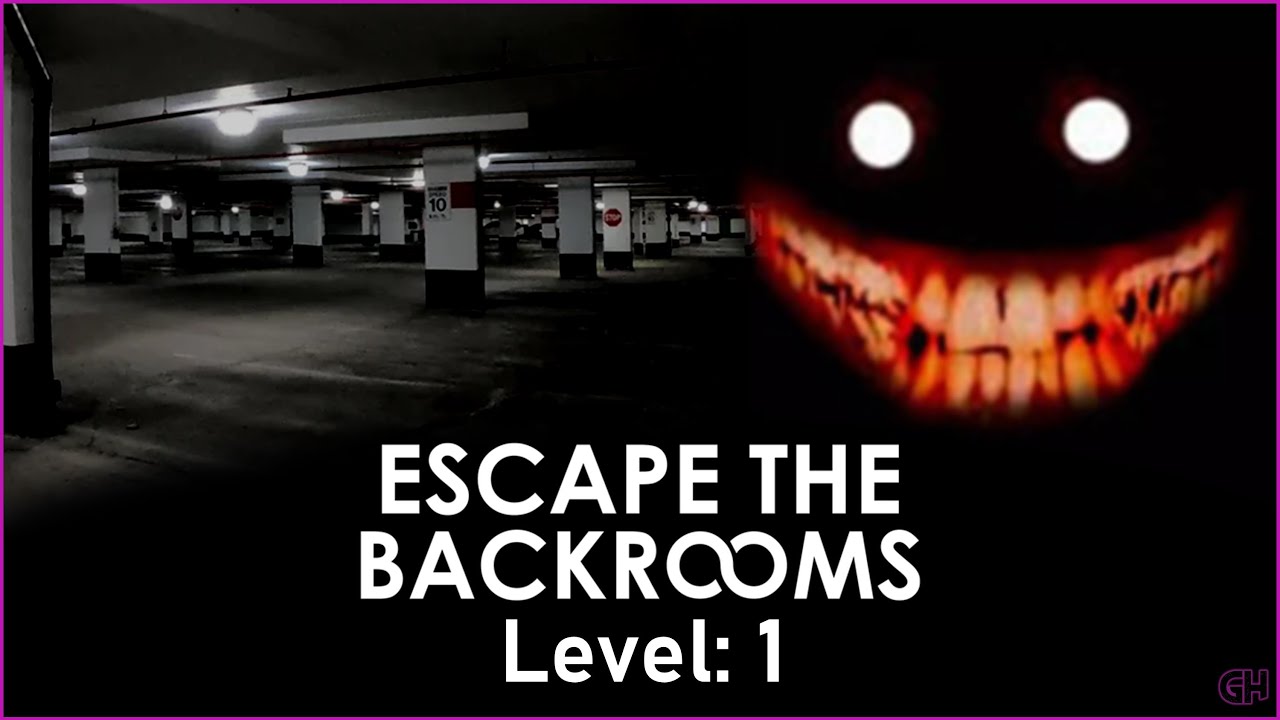
Backrooms Escape 1 is a first-person survival horror game that immerses you in the original Backrooms nightmare: an endless maze of gloomy yellow rooms, damp carpet smell, and the ceaseless hum of fluorescent lights that have been on far too long. You are lost in Level 1 of a space that shouldn't exist, and the only way forward is to find a way out of a maze that was never designed to be escaped.

The game captures the Backrooms concept at its most elemental — before the lore expanded into dozens of levels and specialized entity types. The horror here is the foundational one: the rooms all look the same. The lights flicker but never go out. There is no map, no trail to follow, no landmark to navigate by. There is only the carpet under your feet, the hum above your head, and the growing certainty that something in the dark corridors ahead has noticed you.

Entities lurk in the deeper sections of the maze, adding an active threat dimension to the navigational challenge. Unlike levels that announce their dangers loudly, Backrooms Escape 1 lets the entities emerge gradually from the background unease — first as sounds that might be the building settling, then as something more deliberate. The game's item interaction system — picking up objects, opening doors, activating elements — adds purpose to exploration without turning the experience into a conventional puzzle game. The Backrooms are not a puzzle. They are a place. And this game makes you feel that distinction.

Key Details:

Detail Info
Genre First-Person Survival Horror / Exploration
Difficulty Level Medium
Average Play Time 30–60 minutes
Best For Backrooms lore fans, atmospheric horror players, and anyone who wants the foundational Backrooms experience in a playable format

2. How to Play

Getting Started:

  1. The game begins in the yellow maze — take in the environment before moving; note the room's specific details as your initial reference point.
  2. Move through the corridors using WASD, looking around with the mouse to scan each new room before fully entering.
  3. Use E to interact with objects, pick up items, and open doors that gate your progress through the maze.
  4. Use TAB to check your current objective — a reference point for what you're working toward at any given moment.
  5. Listen continuously for entity sounds and navigate toward exits indicated by environmental anomalies.

Basic Controls:

  • Move: W / A / S / D
  • Run: Shift + W / A / S / D (generates noise — use deliberately)
  • Look Around: Mouse
  • Interact / Pick Up Items / Open Doors: E
  • Show Current Objective: TAB
  • Close Menu: Q
  • Pause / Options: ESC
  • Jump: Space

Objective: Navigate the endless yellow maze of the Backrooms, interact with items and environmental elements to unlock your path, avoid the entities lurking in the deeper sections, and find your way out of Level 1.

3. Game Features & Highlights

Foundational Backrooms atmosphere — the original yellow room maze rendered with authentic dread: flickering fluorescents, damp carpet, identical corridors, and the silence that isn't quite silence ✓ Full interaction system — a complete set of environmental interactions including item pickup, door opening, and object activation gives exploration meaningful structure ✓ TAB objective tracking — a simple current-objective display provides directional purpose without breaking the maze's disorienting immersion with a full map ✓ Entity presence in deeper sections — lurking entities emerge as you progress deeper into the maze, escalating from atmospheric unease to active threat ✓ No installation required — runs directly in the browser, free to play without downloading or registering

4. Tips & Strategies

Beginner Tips:

  • Use the TAB objective display regularly — in a maze of identical rooms, knowing what you're currently working toward is essential for maintaining directional purpose rather than wandering.
  • Develop a consistent turning pattern when navigating corridor junctions (always right, always left, or systematic alternation) — without a map, any systematic approach produces better results than random direction choices.
  • Listen before moving into any new corridor section — the ambient hum of the fluorescent lights provides an audio baseline that makes entity sounds distinguishable if you know what the "normal" soundtrack of the Backrooms sounds like.

Advanced Strategies:

  • Use the run mechanic (Shift + WASD) only when you've confirmed entity proximity or are crossing a long, already-cleared corridor — running in unexplored areas generates enough noise to alert entities that haven't yet located you.
  • Treat every interactable object (E key) in a new room as potentially significant — the item system doesn't always telegraph which objects are puzzle-relevant, and thorough interaction produces more consistent progress than selective engagement.
  • Environmental anomalies that deviate from the yellow room baseline — different colored walls, rooms with unusual proportions, differently-behaving lights — are navigation signals worth investigating before continuing down standard corridors.

What to Watch Out For:

  • The identical room effect: Extended time in the Backrooms produces a genuine disorientation that affects navigation decisions — the rooms really do all look the same, and the temptation to trust your sense of direction becomes less reliable the longer you're in the maze. Trust systematic movement patterns over intuition.
  • Entity escalation underestimation: The entities in Backrooms Escape 1 emerge gradually rather than announcing themselves from the start. The transition from "that might be a sound" to "that is definitely getting closer" happens faster than first-time players expect. Maintain audio awareness from the first minute, not after something concerning happens.

5. Game Elements Explained

The Yellow Maze Environment: The endless identical rooms of Backrooms Escape 1 are not a technical limitation or a shortcut — they are the point. The maze's uniformity is its primary horror mechanism, and the game reproduces the Backrooms concept with fidelity: every corridor looks like every other corridor, every room has the same yellowed walls and humming lights, and every junction presents you with a choice that feels identical to the one before it. This deliberate sameness does something to spatial perception over time that more visually varied horror games cannot replicate — it erodes confidence in your own sense of direction and location, making the maze feel genuinely infinite even though it has structure. Navigating it successfully requires accepting the disorientation as a condition rather than fighting it, and developing systematic movement habits that work independently of spatial intuition.

The Interaction and Item System: The E key interaction system gives Backrooms Escape 1 a structured objective layer that lifts it above pure wandering. Doors that require specific items to open, objects that activate systems, and pickups that advance your progress through the maze all require you to engage actively with the environment rather than simply moving through it. The TAB objective display provides a directional reference that keeps your exploration purposeful — you're not just looking for anything, you're looking for something specific. This structure respects the Backrooms concept (the maze remains disorienting and featureless) while providing enough gameplay scaffolding to make the experience engaging over a full session rather than purely atmospheric.

The Entity System: Entities in Backrooms Escape 1 are not immediately visible or aggressive — they are present in the deeper sections of the maze in ways that begin as auditory suggestions and escalate into active threats as you progress. This gradual emergence is one of the game's most effective design choices: the early sections of the maze are genuinely safe, which establishes a baseline comfort that the entity presence later disrupts. By the time entities become a real threat, you've built enough familiarity with the maze's normal audio environment to recognize when something is wrong — which is exactly the skill required to survive those encounters. The run mechanic provides an emergency response, but the noise it generates can attract attention in sections where you're not yet being actively pursued, making its use a calculated risk rather than a default safety option.

6. Frequently Asked Questions

Q: Is there an in-game map? A: There is no full map — consistent with the Backrooms concept of a space that cannot be mapped in any conventional sense. The TAB key shows your current objective, which provides directional purpose. Navigation relies on environmental reading, systematic movement patterns, and anomaly detection rather than map reference.

Q: What should I do if an entity starts pursuing me? A: Use Shift + WASD to run immediately and create distance, then locate a recessed area, corner, or environmental feature that breaks the entity's line of movement. Once you've created sufficient distance and can no longer hear active pursuit, slow back to careful walking to avoid re-alerting with running noise. Assess the route ahead from a stationary position before continuing.

Q: Is Backrooms Escape 1 free to play without downloading? A: Yes — the game runs directly in your browser without downloading or registering. No installation is required. You can play immediately from any compatible desktop browser.

Q: How does Backrooms Escape 1 compare to the Exit the Backrooms series? A: Backrooms Escape 1 focuses on the foundational Level 1 yellow maze experience — the original Backrooms concept in its purest form. The Exit the Backrooms series explores specific named levels (Level 0, Level 2, Level 94) with more varied environments and mechanics. Backrooms Escape 1 is the most atmospheric and conceptually pure of the Backrooms games, while the Exit series offers more mechanical variety and environmental distinction between entries.

Q: What happens if I jump (Space) in the maze? A: Jumping is available but has limited navigational application in the yellow room environment — the maze's geometry doesn't typically require vertical movement for standard progression. Its primary utility is accessing occasional elevated elements or navigating specific environmental features. In open corridor sections, jumping produces enough noise to be a minor entity-alerting risk in deeper maze sections where entities are active.

7. Related Games You Might Enjoy

If you like Backrooms Escape 1, you might also enjoy: